How to Get Better Sleep (Without Quitting Your Phone)
Advice about better sleep often sounds unrealistic: stop using your phone hours before bed, eliminate screens from the bedroom, meditate, read a paper book, and follow the same perfect routine every night.
By Antonio Madden on October 3, 2026
Getty Images
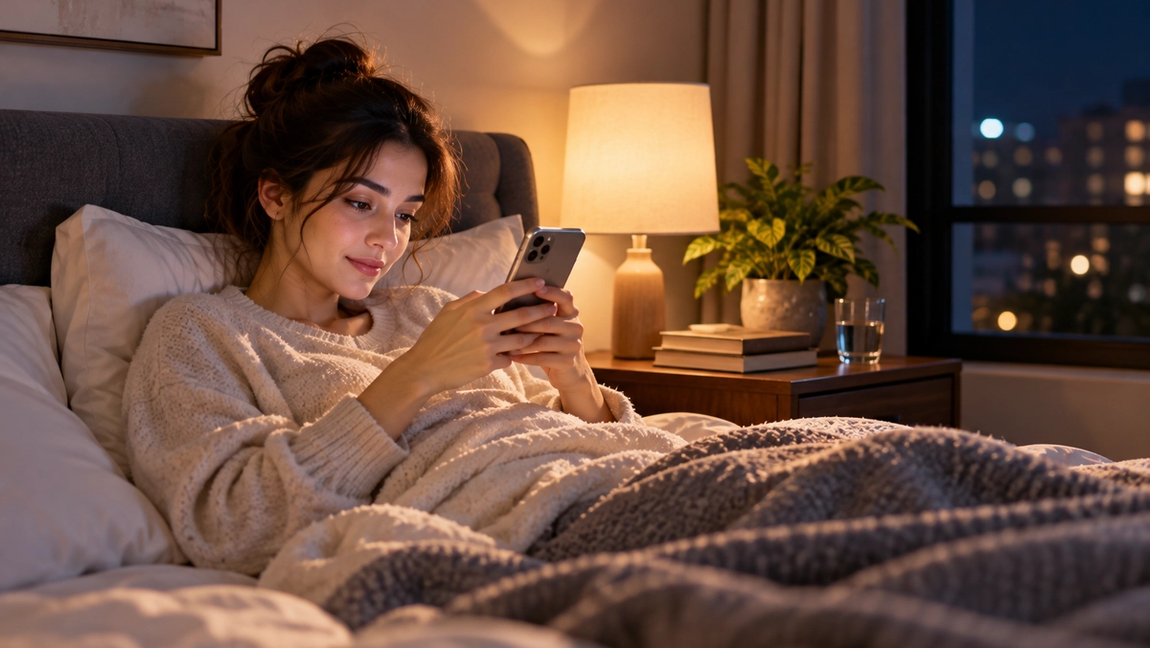
Advice about better sleep often sounds unrealistic: stop using your phone hours before bed, eliminate screens from the bedroom, meditate, read a paper book, and follow the same perfect routine every night. Those habits may help some people, but completely abandoning your phone in the evening isn’t always practical or desirable. Phones are alarm clocks, entertainment devices, communication tools, and sometimes part of work and family life. A more realistic goal is to change how you use your phone at night so it interferes less with your ability to wind down and sleep.
Make your phone less stimulating at night
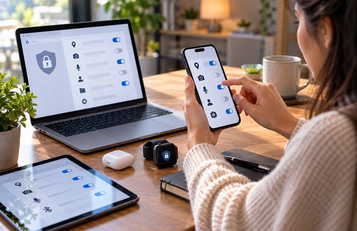
The problem isn’t necessarily that you looked at a screen five minutes before bed. What you’re doing on that screen matters too. Watching one relaxing video is different from jumping between work emails, breaking news, social media arguments, short videos, and group chats for an hour. Highly stimulating content can keep you mentally engaged when you’re trying to transition toward sleep. Create a quieter version of your phone for the evening. Use your device’s sleep, focus, or do-not-disturb settings to silence nonessential notifications. Reduce screen brightness to a comfortable level and use built-in nighttime display settings if you find them helpful. More importantly, decide which apps you want available before bed. Music, podcasts, audiobooks, or something calm to read may be easier to disengage from than endlessly refreshing social feeds. The goal isn’t to make your phone disappear. It’s to make nighttime phone use less likely to turn into an accidental extra hour of stimulation.
Give scrolling a stopping point
“Just five minutes” on your phone can easily become 45 because many apps are designed around continuous content. There isn’t a natural moment when you’re finished, so you need to create one. Set a specific cutoff based on behavior rather than banning the device entirely. For example, you might allow yourself to use your phone in bed for 15 minutes, then switch to audio only. A timer or app limit can provide an external reminder when that period is over. You can also charge your phone somewhere you can’t comfortably reach from your sleeping position while still keeping it in the room. That small amount of friction makes mindless checking less automatic. If you use your phone as an alarm, you don’t necessarily need to buy a separate clock; simply putting the phone on a dresser rather than beside your pillow may be enough. The objective is to prevent nighttime checking from becoming the default response every time you’re briefly bored or awake.
Build a sleep routine around your real life
Your phone is only one factor affecting sleep. A consistent schedule and predictable wind-down routine can be more useful than obsessing over one device. Try to keep your sleep and wake times reasonably consistent, particularly if your current schedule changes dramatically from day to day. Create a short sequence that signals the day is ending: shower, brush your teeth, prepare tomorrow’s clothes, lower the lights, get into bed, and choose something calm to listen to or read. Pay attention to caffeine as well, because consuming it later in the day can interfere with sleep for some people. Alcohol may make people feel sleepy initially but can disrupt sleep quality later in the night. Exercise and daylight exposure during the day can also support healthy sleep patterns. None of these habits needs to be executed perfectly. A routine works because it’s repeated often enough that your brain begins associating those behaviors and conditions with winding down.
Don’t turn sleep into another performance goal
Trying too hard to sleep can become its own source of stress. If you’re lying in bed calculating exactly how many hours remain before your alarm, repeatedly checking the clock, and worrying about how terrible tomorrow will be, you’re making sleep more difficult. Your phone can contribute to that cycle if you constantly check the time or search for explanations for why you aren’t sleeping. If you can’t fall asleep after lying awake for a while, it can help to get out of bed and do something quiet in dim light until you feel sleepy again rather than remaining there increasingly frustrated. If you use your phone during that period, choose something calm rather than returning to stimulating content. Occasional poor sleep is normal and doesn’t require completely redesigning your life. Persistent insomnia, loud snoring with breathing interruptions, severe daytime sleepiness, or ongoing sleep problems are worth discussing with a healthcare professional. For everyone else, better sleep doesn’t necessarily require becoming a person who never touches a phone after sunset. It usually requires making nighttime technology quieter, less automatic, and easier to put down when you’re ready to sleep.